Optimizing Heterogeneous Computing at Edge AI
A 2-Minute Video on Heterogeneous Computing and Edge AI Applications

  • Why heterogeneous computing is the best strategy for deploying artificial intelligence at the edge
  • How to optimize an AI platform with CPU, GPU, FPGA, and ASIC
  • The benefits of bringing AI to the edge, including faster response time, enhanced security, improved mobility, and lower communication costs

Optimizing Heterogeneous Computing at Edge AI


Performing AI workloads at the edge alleviates cost, security, and latency concerns associated with transferring data to the cloud for processing. However, determining IT infrastructure for edge AI applications can be a costly, time-consuming and laborious experimental process. It is unsurprising that implementation is the most-cited challenge by early AI adopters, according to Deloitte State of AI in the Enterprise, 2nd Edition. Learn how to maximize the innovation and productivity gains from AI with ease.
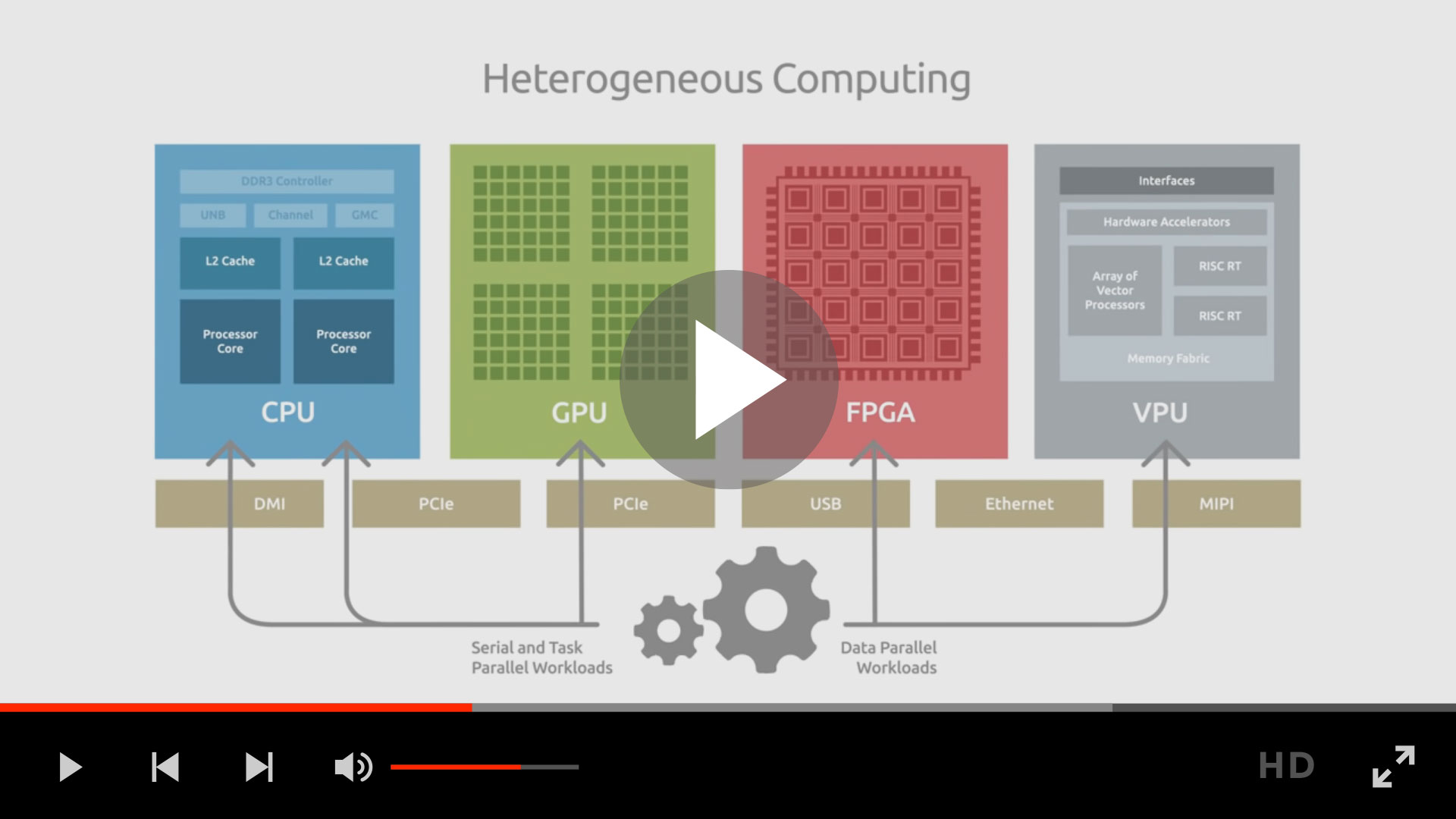
In this Video, you will learn:

  • Why heterogeneous computing is the best strategy for deploying artificial intelligence at the edge
  • How to optimize an AI platform with CPU, GPU, FPGA, and ASIC
  • The benefits of bringing AI to the edge, including faster response time, enhanced security, improved mobility, and lower communication costs

Watch A 2-Minute Video

ADLINK Differences

Industry-Leading R& Investment

>30% of employees in engineering functions

> Learn more

Award-Winning Technology

2018 Edge Computing Company of the Year

> Learn more

Focus on diversity

45 managers representing 16 nationalities

> Learn more

Preventing Costly Downtime

Smart Gateways Enable Monitoring of Water Quality in Near Real-time.

> Learn more

Making Pallets Talk

Smart Pallets Advance Efficiency of Warehouse Logistics

> Learn more

Improving Patient Experience

Panel Computers Increase Productivity for Medical Imaging Facilities

> Learn more